.svg)
.svg)
How To Spot Problems Before Boiler Repairs Are Needed
Learn how to spot early boiler problems before repairs are needed.
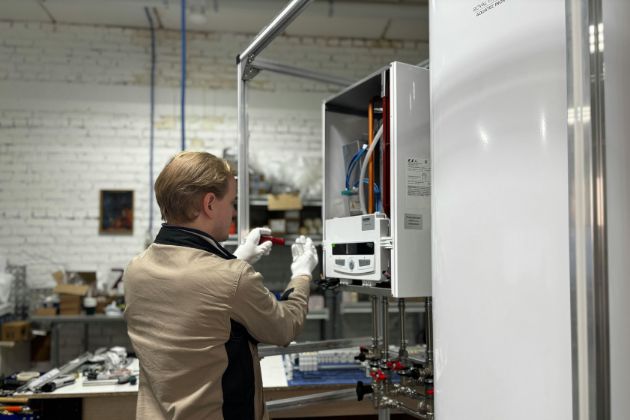
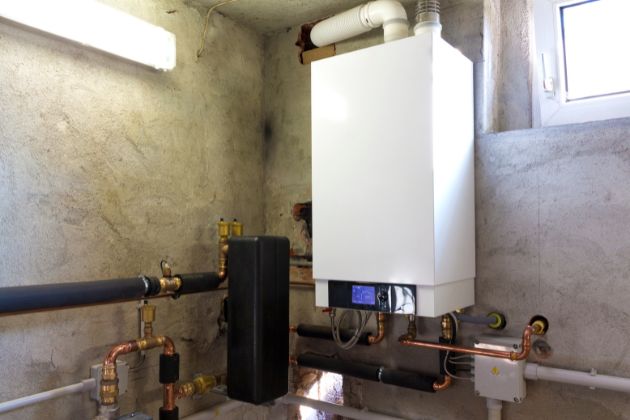
Boiler repairs often feel like they come out of nowhere, but in reality, most breakdowns are preceded by clear warning signs. Homeowners who understand how their boiler should normally behave are far more likely to notice small changes early. Acting on these signs before a fault worsens can reduce repair costs, improve energy efficiency, and help avoid losing heating or hot water at the worst possible time.
Early warning signs your boiler may need attention
Inconsistent heating throughout the home
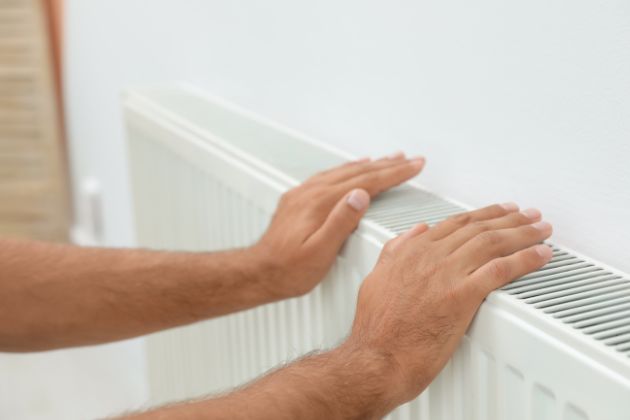
If some radiators heat up quickly while others remain lukewarm, this can point to circulation issues within the system. Sludge buildup, trapped air, or failing pumps can all reduce how evenly heat is distributed. Over time, uneven heating forces the boiler to work harder to reach the thermostat temperature, increasing wear on internal components.
Hot water problems can show similar patterns. If water temperature fluctuates during use or runs out faster than usual, it may indicate sensor faults or internal valve issues. These symptoms often worsen gradually, making them easy to ignore until comfort levels noticeably drop.
Unusual noises during boiler operation
Boilers are designed to run quietly in the background, so new sounds are rarely normal. Banging or knocking noises may be caused by limescale buildup inside the heat exchanger, restricting water flow and causing overheating. Whistling or kettling sounds often suggest high temperatures combined with poor circulation.
Gurgling noises can point to trapped air or low system pressure. While the boiler may continue running for some time, these sounds often indicate internal stress that can lead to component failure if left unresolved.
Frequent or unexplained pressure loss
Boiler pressure should remain relatively stable. If you find yourself topping up the pressure regularly, this usually indicates an underlying fault. Small leaks in pipework, faulty pressure relief valves, or problems with the expansion vessel are common causes.
Repeated pressure loss should never be dismissed as a minor inconvenience. Running a boiler at low pressure reduces efficiency and can cause safety shutdowns, leaving the home without heating or hot water.
Visible leaks, corrosion, or damp patches
Any sign of water around your boiler should be investigated quickly. Even a slow drip can lead to corrosion of internal components or damage electrical connections over time. Rust marks, staining, or damp patches on nearby walls or floors are often early indicators of failing seals or pipe joints. Ignoring small leaks can result in much larger repair jobs later, especially if water damage affects surrounding parts of the system.
Radiators with cold spots or slow warm-up times
Radiators that are cold at the top or take a long time to warm up fully often indicate air or sludge in the system. Sludge buildup reduces water flow and traps heat inside the boiler rather than distributing it around the home. This not only affects comfort but also increases strain on the boiler pump and heat exchanger. Early cleaning or balancing can restore proper circulation and protect the boiler from long-term damage.
Rising energy bills without changes in usage
An inefficient boiler often consumes more energy to achieve the same level of heating. If energy bills increase despite no change in household habits, it may be a sign that the boiler is no longer operating efficiently. Common causes include worn components, inaccurate sensors, or restricted water flow. Addressing these issues early can improve efficiency and help keep running costs under control.
Error codes, warning lights, or frequent resets
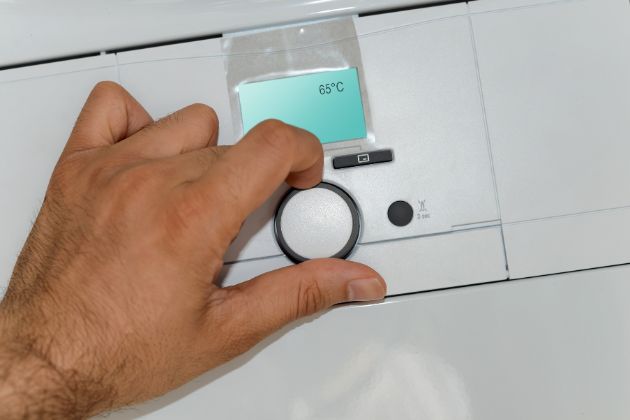
Modern boilers are designed to alert homeowners when something is not right. Error codes or warning lights should never be ignored, even if the boiler continues to run after a reset. Repeated fault messages usually indicate a developing issue that could lead to a complete shutdown if left unresolved. Early diagnosis can prevent small faults from turning into major repairs.
Changes in flame appearance or pilot light behaviour
Gas boilers should produce a steady blue flame during operation. Yellow or flickering flames can indicate combustion issues, which may affect both performance and safety. Any noticeable change in flame colour or pilot light behaviour should be checked promptly by a qualified engineer.
Professional boiler support across Cheddar, Weston-super-Mare and Clevedon
If you have noticed any of these early warning signs, taking action sooner can help prevent unexpected boiler repairs and costly breakdowns. Heat Exce Limited provides professional boiler inspections and repair services, helping homeowners keep their heating systems safe, efficient, and reliable. Call 01934 784 046 or fill out our contact form to schedule a boiler check today.