.svg)
.svg)
Boiler Keeps Switching Off? Common Causes and Next Steps
If your boiler keeps turning itself off, use this step‑by‑step guide to stay safe, avoid damage and know when to call.
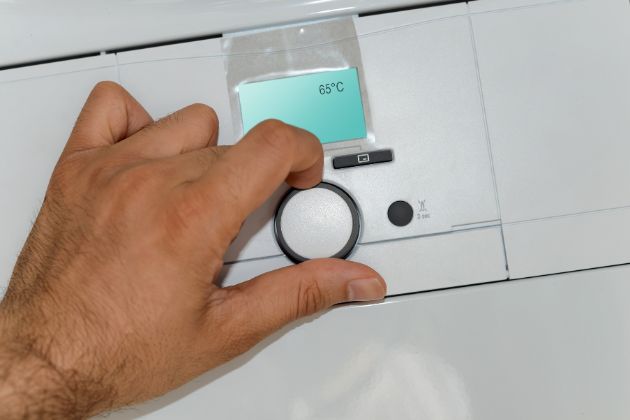
If your boiler keeps switching off or going into lockout, it’s more than just annoying – it’s a warning that something isn’t working properly. Frequent cut-outs can mean your boiler is struggling with issues like low pressure, faulty components, or blockages. Ignoring these signs could lead to bigger problems, costly repairs, or even a complete breakdown when you need your heating the most. This is especially important during colder months in Bristol, Clevedon, Cheddar, Weston-super-Mare, and South Gloucester, where a reliable heating system is essential to keep your home warm and safe. Taking action early can save you time, money, and discomfort.
Quick, safe checks before you call an engineer
There are a few simple things you can safely check yourself before booking a boiler repair. You should never take the case off the boiler or touch internal components, but these front-end checks can rule out basic issues.
- Room thermostat & programmer: Make sure they are calling for heat, time settings are correct and batteries (if fitted) are not flat.
- Pressure gauge: For most systems, the cold pressure should be around 1.0 to 1.5 bar. If it is below 1 bar, you likely have a low-pressure issue.
- Visible leaks: Look for damp patches or drips around radiators, valves and the boiler area.
- Radiators after topping up pressure: If you have recently added water to the system, you may need to bleed radiators, then re-check the pressure.
- Reset button: Only press reset once, then wait to see what happens. Repeated resets are not safe or recommended.
If any of these checks point to a clear problem, note down what you see. This information will really help the engineer diagnose the fault more quickly.
Common reasons boilers keep turning off
A boiler that repeatedly cuts out is usually protecting itself from damage. Modern boilers constantly monitor sensors and will shut down or lock out when readings are out of range.
Low system pressure
Low pressure is one of the most frequent causes of a boiler that will not stay on. If the water pressure drops too far, the boiler cannot circulate water properly and switches off to prevent damage.
If you know how to safely top up your system using the filling loop, you can often bring the pressure back into the normal range. If the pressure keeps dropping, you likely have a leak or another underlying issue that needs professional attention.
Sludge, blocked filters and poor circulation
Over time, heating systems can fill with rust and sludge. This can clog up pipes, radiators, filters and the boiler heat exchanger, leading to poor circulation and frequent overheating.
Symptoms include cold spots on radiators, noisy pipework or a boiler that fires up then quickly shuts down. Cleaning, flushing and filter maintenance should always be carried out by a qualified heating engineer, often as part of regular boiler servicing.
Faulty sensors and thermistors
Boilers rely on temperature sensors and thermistors to know how hot the water is. If a sensor gives incorrect readings, the boiler may think it is overheating or not heating at all, and will switch off or throw a fault code.
This kind of problem is not something you can fix yourself. An engineer will test the sensors, wiring and control board, then replace faulty components if needed.
Pump problems
The pump moves hot water from the boiler around your radiators and back again. If the pump is failing, sized incorrectly or stuck, the boiler heats water but cannot move it effectively.
The boiler will often shut down to protect itself from overheating. You might hear unusual noises from the pump or notice some radiators getting hot while others stay cold.
Condensate pipe blockages
Condensing boilers produce acidic condensate water that must drain away through a small plastic pipe. If this pipe freezes or blocks, the boiler will often lock out and display a specific fault code.
External condensate pipes are especially prone to freezing in cold weather. In some cases, you can safely thaw an external plastic pipe using warm (not boiling) water, but if you are unsure, it is better to call an engineer.
Flue and air intake issues
Your boiler must be able to draw in enough fresh air and expel combustion gases safely. Any blockage, damage or installation issue with the flue or air intake is serious and can cause the boiler to shut down.
Never attempt to alter or remove any parts of the flue yourself. If you suspect a flue issue, or you can see obvious damage, switch the boiler off and contact a Gas Safe registered engineer straight away.
Overheating protection
If water inside the boiler gets too hot, safety devices will trip, and the boiler will shut down or lock out. Overheating is often linked to circulation problems, faulty thermostats, limescale or a failing heat exchanger.
Because overheating relates directly to safety, it is important not to keep resetting an overheating boiler. It needs proper diagnosis and repair.
How many boiler resets are too many?
The reset button is there to get the boiler running again after a minor or one-off fault, not as a daily workaround. As a general guide, you should not be resetting the boiler more than once in a short period.
If the boiler locks out again soon after a reset, or you find yourself pressing reset regularly, stop using the reset button and arrange a boiler repair. Repeated resets can mask a problem, stress components and potentially create unsafe conditions.
Dealing with repeated boiler fault codes
When a boiler locks out, it normally shows a fault code or flashing sequence. If the same code keeps appearing, the boiler is telling you the issue is ongoing and needs expert attention.
Write down the exact code and when it appears, for example, only when the heating is on, only on hot water, or only first thing in the morning. Do not try to clear or override fault codes beyond a single safe reset.
Different brands, different fault displays
Every manufacturer uses its own system of codes and lights. The same letters or numbers on two different brands can mean completely different things.
Your boiler manual or a good online fault code explainer, such as our boiler fault code guide, can help you understand what the boiler is reporting. This does not replace an engineer visit, but it can give you a clearer idea of what is going on.
What to note down before you call
Having the right information to hand can make your repair visit quicker and more efficient. It helps the engineer arrive with suitable parts and a better idea of the likely cause.
- Boiler make and model: Usually found on the front panel, a data plate or inside the boiler manual.
- Fault code or lights: Exact letters, numbers and flashing patterns shown when the boiler cuts out.
- System pressure: The reading from the pressure gauge when the boiler is cold.
- Recent changes: Any work on the system, water pressure top-ups, radiator bleeding or leaks you have noticed.
Also note how often the boiler switches off, whether it affects heating, hot water, or both, and any unusual noises or smells. Share this clearly with your engineer when you book.
When to book a professional boiler repair
If your boiler keeps switching off, shows repeated fault codes or needs regular resets, it is time to bring in a qualified engineer. Problems caught early are usually cheaper to fix and reduce the chance of a full breakdown on a cold day.
Residents in Bristol, Clevedon, Cheddar, Weston-super-Mare and South Gloucester can protect their heating by combining prompt repairs with regular boiler servicing. This helps prevent low pressure, sludge build-up and sensor issues before they cause frequent lockouts.
To arrange a local boiler repair or to discuss concerns about a boiler that keeps turning off, contact Heat Excel Limited on 01934784046. A qualified heating engineer can safely diagnose the fault, explain your options and get your heating running reliably again.