.svg)
.svg)

Heating On But Radiators Cold? What It Usually Means
If your boiler is running but the radiators stay stone cold, this guide walks you through the usual suspects, & safe checks.
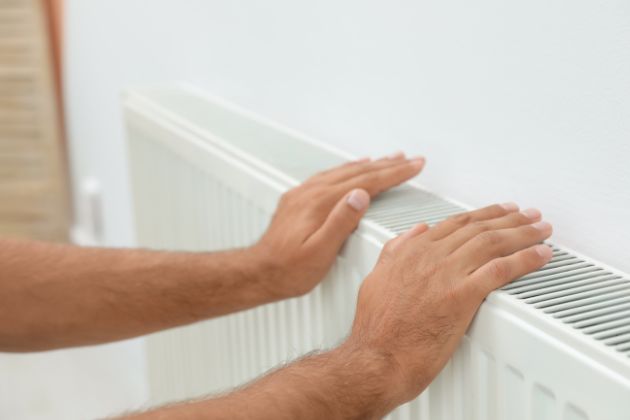
Your heating is set to come on, the boiler seems to be running, and you might even have hot water, yet the radiators remain cold. This frustrating problem is common in many homes and usually comes down to a few typical faults. By following a simple step-by-step diagnosis, you can often identify the cause quickly. Whether it’s an issue with your thermostat, motorised valves, circulating pump, or airlocks in the system, understanding these common culprits can help you get your heating working efficiently again.
First checks when the radiators stay cold
Before assuming a serious breakdown, it is worth ruling out a few simple settings and controls. Many callouts turn out to be an issue with timers, thermostats or radiator valves rather than the boiler itself.
Start with these basic checks, as they are safe for most homeowners and can save time and money if the problem is something straightforward.
- Programmer/timer: Check heating is actually set to "On" or "Continuous", not just hot water.
- Room thermostat: Turn it up to maximum to test if the boiler responds.
- Radiator valves: Make sure both valves are open, including thermostatic valves (TRVs).
- Boiler pressure: On sealed systems, look for around 1 to 1.5 bar when cold.
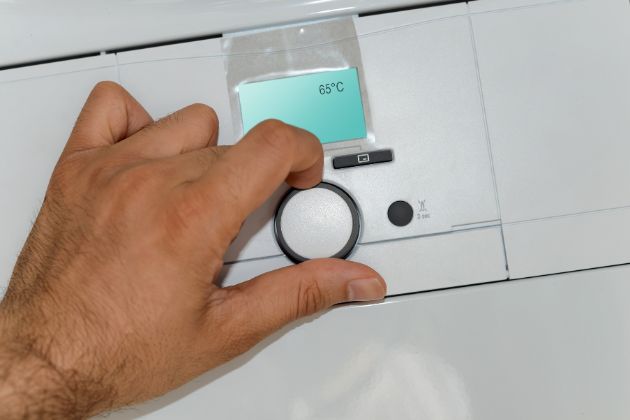
- Reset / error lights: Check the boiler display for fault codes or lockout lights.
If everything looks correct and the boiler seems to fire, yet radiators remain cold or only gently lukewarm, the cause is often related to how heat is being directed and circulated around the system.
Heating is on, but no radiators with a combi boiler
With a combi boiler, you will not usually have a separate hot water cylinder. If you have good hot water at the taps but no heating, this often points to an issue with the diverter valve or circulation around the radiators.
Clues that the diverter valve is stuck
The diverter valve switches heat between your hot water and your central heating. If it sticks towards hot water, the boiler will fire, but the radiators stay cold.
Typical signs include hot water working normally, the boiler firing when you turn a tap on, but little or no response when you ask for heating. Sometimes the flow pipes under the boiler become hot only when a tap is opened, not when the heating is on.
A stuck diverter valve is not a DIY job, as it usually involves draining the boiler and working on gas components. This is work for a Gas Safe registered engineer only.
Pump, pressure and airlocks in combi systems
If both hot water and heating are poor, your circulating pump or system pressure could be the issue. Listen carefully to the boiler when heating is on: you should hear a gentle humming or soft whoosh from the pump.
If the pressure gauge is below 1 bar, the system may need repressurising following the manufacturer’s instructions. If pressure repeatedly drops, there may be a leak that needs professional attention. Airlocks in the pipework can also stop radiators from heating; bleeding radiators is a safe step, but never bleed more than a little if pressure is already low.
Cold radiators with a system boiler and cylinder
On system or regular boilers with a hot water cylinder, the heating and hot water are controlled separately using motorised valves and external pumps. If one zone works and the other does not, it often points to controls rather than the boiler itself.
Checking programmer, room stat and cylinder stat
Make sure both heating and hot water are selected on the programmer, and that you understand if you have separate channels for each. For heating, turn the room thermostat up high to see if the boiler and pump start.
For hot water, check that the cylinder thermostat on the side of the tank is set sensibly (typically around 60 °C). If you have hot water but no heating, the cylinder stat and hot water motorised valve may work fine, while the heating side is stuck.
S-plan and Y-plan valve symptoms
Most modern systems use S-plan (two or more separate motorised valves) or Y-plan (a single three-port valve). These valves send hot water either to the cylinder, the radiators, or both.
On many valves, there is a small manual lever on the side. With the power off, you can gently check if the lever moves freely. If it is stuck, or the metal case feels warm but the pipes beyond are cold, the valve head or internal parts may have failed.
Do not remove valve covers or wiring. That area contains mains voltage and is for trained engineers only. Just noting whether the valve operates or feels stuck is enough to report to your heating professional.
Other frequent culprits: pump, TRVs and sludge
Even if the boiler is running, heat still has to be pushed around the system by the pump. A failed or seized pump can leave radiators cold even while the boiler overheats and cycles on and off.
Put your hand carefully on the pump body (usually near the cylinder or boiler). It should feel warm and gently vibrating. If it is very hot and silent, or buzzing noisily with no circulation, it likely needs attention.
Stuck TRV pins and individual cold radiators
If most radiators are hot but one or two stay cold, the issue may be local. Thermostatic radiator valves can stick shut after summer when they have sat in the same position for months.
With the heating off and the valve head removed, you will see a small pin. It should move up and down slightly when pressed. If it is stuck, gently freeing it can restore flow, but do not use force. If you are unsure, ask an engineer to check it during a visit.
Sludge, air and unbalanced systems
Brown or black water when bleeding radiators suggests sludge in the system. This can block radiators and pipes, leaving some rooms cold while others heat up. Chemical cleaning or powerflushing may be needed.
If radiators all get warm eventually but some heat much more quickly than others, the system may simply need balancing so each radiator receives its fair share of hot water. For more on this, see our separate guide on balancing radiators, and if your issue is more general, our radiators not heating up article covers further scenarios.
Safety notes before you start investigating
It is fine to check controls, feel external pipes and bleed radiators carefully, as long as you are cautious with hot surfaces and water. Turn off the boiler and let the system cool if you need to handle pipework.
Do not remove boiler covers, touch gas pipework or alter flues. Anything involving combustion, internal boiler parts or electrical connections should only be worked on by a Gas Safe registered engineer.
What a Gas Safe engineer will test
When you book a diagnostic visit, a good engineer will follow a structured process rather than just guessing at parts. This helps ensure that the fault is correctly identified and fixed first time.
- Flow and return temperatures to see if heat is leaving the boiler and coming back correctly.
- Pump operation, checking speed, sound and actual circulation through the system.
- Motorised and diverter valves to confirm they are opening and closing on command.
- Burner and gas settings to ensure the boiler is firing safely and efficiently.
- System water quality to assess sludge levels and the need for cleaning or filters.
They will also confirm that controls are wired correctly, check for airlocks and blockages, and make sure any safety devices are operating as they should. This thorough approach protects your system, extends its life and reduces the risk of repeat breakdowns.
Next steps: book a diagnostic visit
If you have worked through the basic checks and your radiators are still cold when the heating is on, it is time to bring in professional help. Many faults involve gas, electrics or water pressures that are not safe to tackle yourself.
Heat Excel Limited can carry out detailed boiler repairs and full heating services, including diagnosing circulation problems, faulty valves and control issues. To arrange a thorough diagnostic visit and get your home warm again, call Heat Excel Limited on 01934784046 or enquire via our boiler repairs page today.