.svg)
.svg)
Signs My Boiler Needs Maintenance Soon
A detailed guide to the early signs your boiler needs maintenance soon.
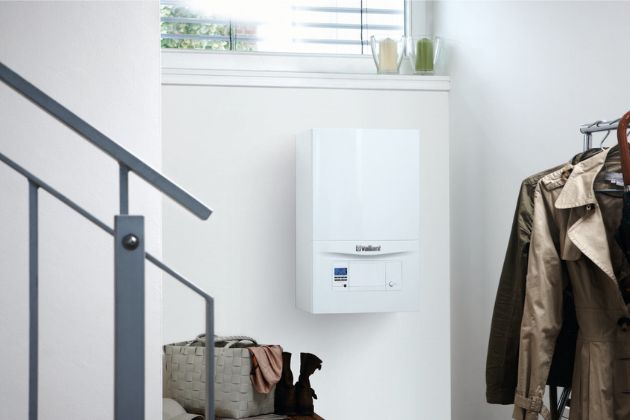
Boilers rarely fail without giving at least a few early warnings. These signs can be subtle at first, such as slower heating or the occasional unusual noise, but they often become more noticeable as the system continues to struggle. Being aware of these changes helps reduce your chances of a sudden breakdown, especially during colder months when your heating is working harder. Recognising the signs early keeps your home comfortable and prevents small issues from turning into bigger and more expensive problems.
Early Signs Your Boiler Needs Attention
Unusual Noises Coming From the System
A boiler should not make loud or persistent noises, so any new sounds are worth noting. Tapping, banging or clunking noises often suggest limescale building up inside the heat exchanger, which restricts water flow and creates pressure changes. Whistling sounds, sometimes referred to as kettling, can indicate trapped air or overheating water inside the boiler. Gurgling often occurs when air is stuck in the system or when the water is not circulating properly. These noises rarely disappear on their own and usually worsen over time. Allowing them to continue can lead to unnecessary strain on the boiler and more costly repairs later.
Radiators Heating Slowly or Unevenly
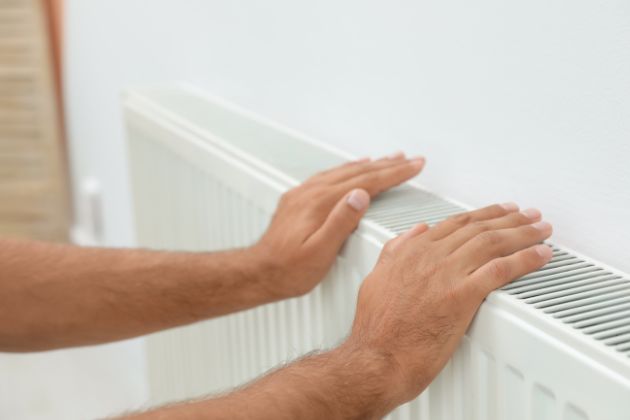
Radiators that take too long to warm up or heat only in certain areas usually point toward circulation issues. Sludge can form inside the pipework over the years, especially if the system has not been flushed recently. This sludge restricts flow, leaving your radiators patchy and inefficient. Furthermore, air trapped inside the system can prevent hot water from reaching certain areas. If you have bled the radiators and the problem persists, the boiler may be struggling to pump water correctly. A full system check helps identify whether the issue lies with the pump, the boiler, or blockages within the radiators.
A Drop in Water Pressure
Stable pressure is crucial for a boiler to run safely. When pressure keeps falling, it is often because of a leak either inside the boiler or somewhere in the heating system such as a radiator valve or pipe joint. Sometimes the pressure relief valve may be faulty, causing water to escape even when the system is not in use. While topping up the pressure may temporarily restore performance, the problem will return until the root cause is identified. Low pressure can reduce heating efficiency and prevent the boiler from switching on at all if it falls below the safe operating level.
Boiler Cycling More Than Usual
Short cycling is when your boiler switches on and off more frequently than it should. This behaviour suggests that the system is struggling to maintain a stable temperature or respond correctly to thermostat signals. A blocked heat exchanger, faulty sensors or an incorrectly sized boiler can all contribute to this issue. Short cycling wastes fuel, increases wear on internal parts and can dramatically reduce the lifespan of the system. Addressing it quickly prevents avoidable strain and restores balance to your heating.
An Increase in Energy Bills
If your energy usage has not changed but your costs have risen, your boiler may be working harder than normal due to reduced efficiency. Over time, components such as the heat exchanger, pump and fan can suffer from wear and tear, lowering the boiler’s ability to produce heat efficiently. Build-up of debris or limescale increases the workload even further. Maintenance helps restore performance by cleaning, inspecting and replacing parts before they fail.
Odd Smells or Soot Marks
Any noticeable smell coming from your boiler should be taken seriously. A metallic or burning smell can indicate overheating components or electrical faults. Musty odours may suggest moisture or leaks inside the unit. Soot or dark marks around the boiler casing can be a sign of incomplete combustion, which means the boiler is not burning fuel properly. While these situations are uncommon, they require immediate attention, as they may indicate safety risks that should only be managed by a qualified engineer.
Water Leaks Around the Boiler
Leaks can develop slowly and may not be obvious at first. You may notice small pools of water beneath the boiler or damp patches around pipe joints. These leaks often occur due to worn seals, loose connections or internal corrosion. Even a small amount of water can cause long term damage to the boiler’s internal parts and surrounding surfaces. Addressing leaks early prevents additional breakdowns and helps extend the life of the appliance.
Fluctuating Hot Water Temperatures
If your hot water keeps switching between warm and cold unexpectedly, your boiler may be struggling to regulate heat properly. This can be linked to a failing diverter valve, a worn thermostat or an issue within the heat exchanger. Fluctuating temperatures not only affect comfort but can also indicate deeper issues that need to be addressed through maintenance before they worsen.
A Yellow or Flickering Boiler Flame
A healthy boiler flame should always be clear and blue. If it appears yellow, orange or flickering, it may indicate a combustion issue or oxygen imbalance. This can lead to inefficient burning and potential safety concerns. A flame that is not burning correctly should always be inspected by a professional as soon as possible.
Frequent Resetting or Error Codes
If you find yourself resetting your boiler regularly or noticing error codes appearing more frequently, this is a clear sign that the system is struggling. Error codes are designed to alert you to specific faults, many of which relate to sensors, ignition, pressure or temperature regulation. These alerts should not be ignored, as they often indicate conditions that require maintenance before the boiler stops functioning completely.
Pilot Light Issues
If your boiler has a pilot light that keeps going out or fails to remain stable, it can be linked to a blocked injector, a faulty thermocouple or ventilation issues. The pilot light plays an essential role in ignition, and problems with it often prevent the boiler from operating reliably.
Need Boiler Service in Cheddar, Weston-super-Mare or Clevedon?
Heat Excel provides comprehensive boiler maintenance, fault finding and repairs across the local area. Whether you have noticed changes in pressure, strange noises, fluctuating temperatures or rising energy bills, our engineers can carry out a detailed inspection and restore your heating to a safe and reliable condition. Call us on 01934 784 046 or fill out our contact form to book your boiler maintenance visit today.